
Drain Cleaning
High-pressure water jets travel through drain lines to cut through grease buildup and flush out food particles that slow flow in kitchen and bathroom pipes.
Plumbing · the USA
True Plumbing & Hydrojetting sends technicians nationwide to clear drains, inspect sewer lines and fix water flow problems with hydro jetting equipment and standard plumbing tools.
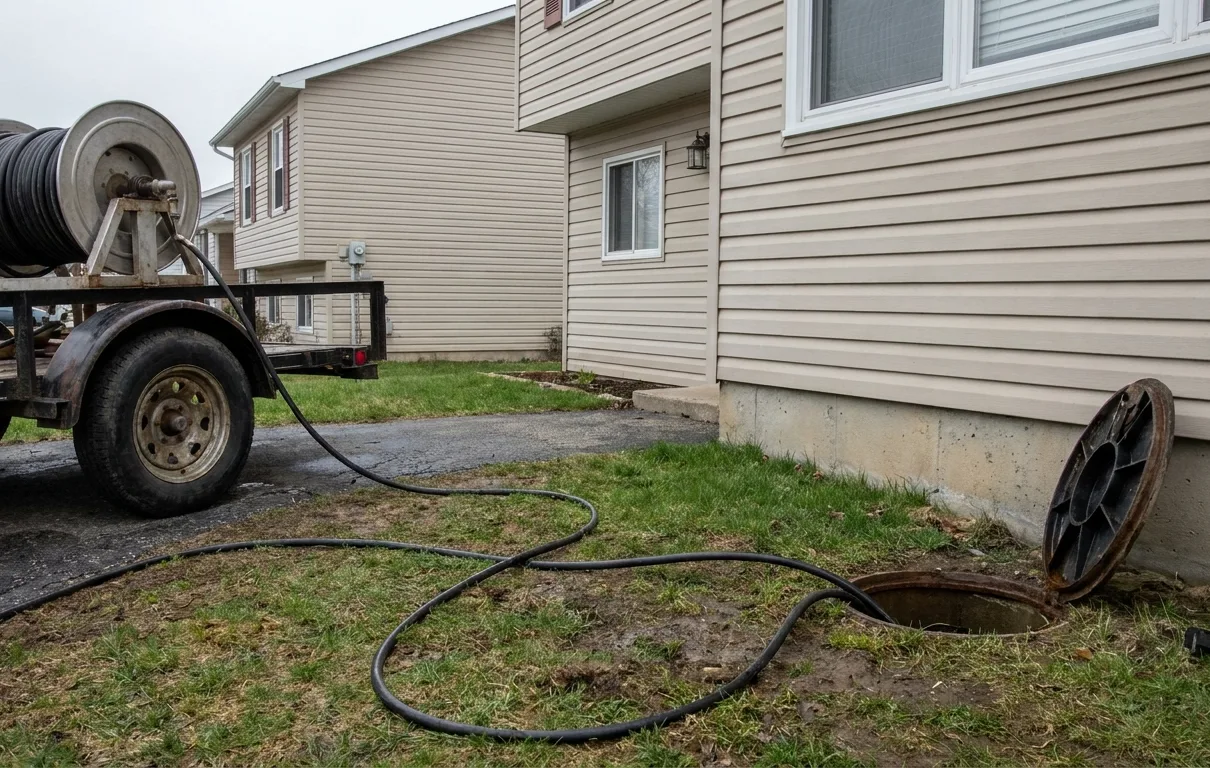
Technicians run the hydro jet hose through the cleanout and direct the nozzle at the clog so water pressure breaks apart grease and roots without chemicals.
After the jet clears debris a camera head travels the pipe to show remaining scale or offset joints so the crew knows if further work is required.
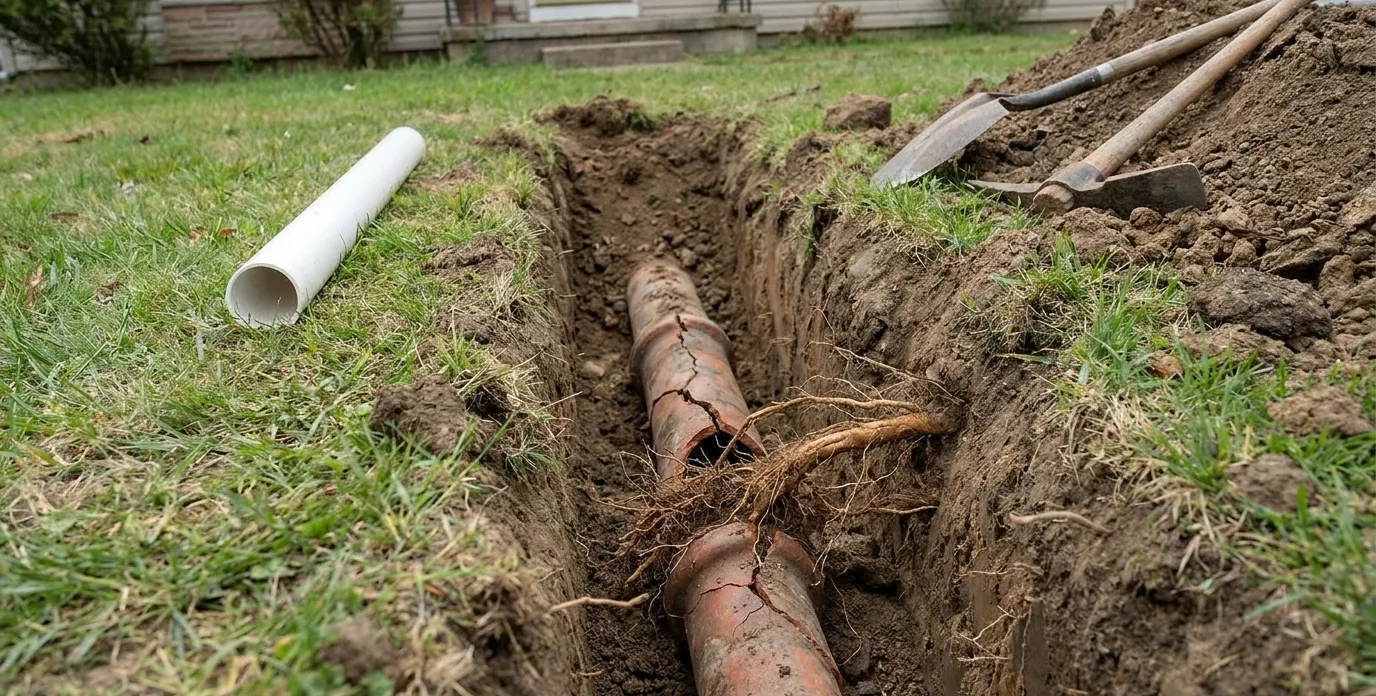
When the camera reveals a crack the crew decides whether to excavate that section or insert a liner based on pipe material and soil conditions around it.
Our technicians use hydro jetting equipment to scour pipes clean and perform standard plumbing repairs on fixtures and water heaters wherever the job is located.
High-pressure water jets travel through drain lines to cut through grease buildup and flush out food particles that slow flow in kitchen and bathroom pipes.
A flexible camera line is pushed through the sewer to record video of cracks, roots and bellies so the crew sees exactly where the pipe needs attention.
Crews expose damaged sections of sewer pipe, remove the bad material and connect new pipe or insert a cured-in-place liner depending on access and pipe condition.
Technicians check heating elements, gas valves and anode rods, then replace faulty parts to restore hot water without draining the entire tank first.
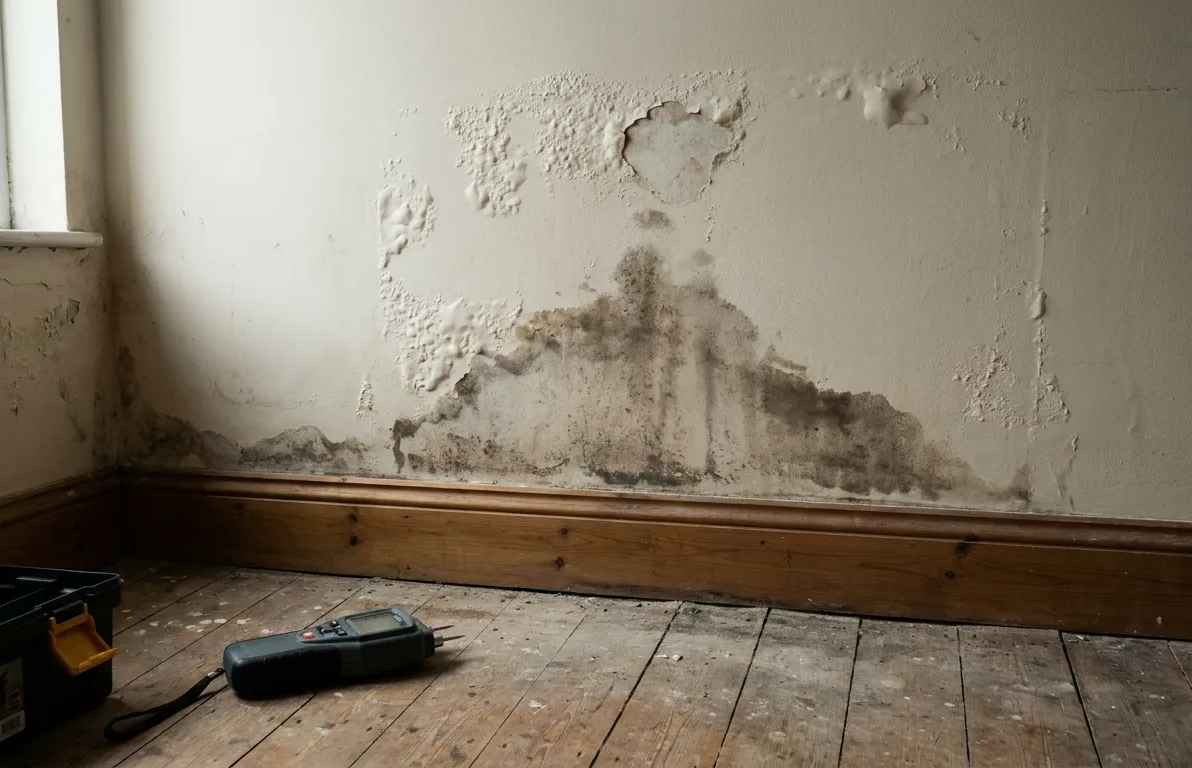
Acoustic listening gear and moisture readings trace hidden leaks behind walls or under slabs so the crew can open only the smallest area needed for repair.
Technicians cut out corroded sections of supply or drain pipe and install new segments or compression fittings matched to the existing material and diameter.
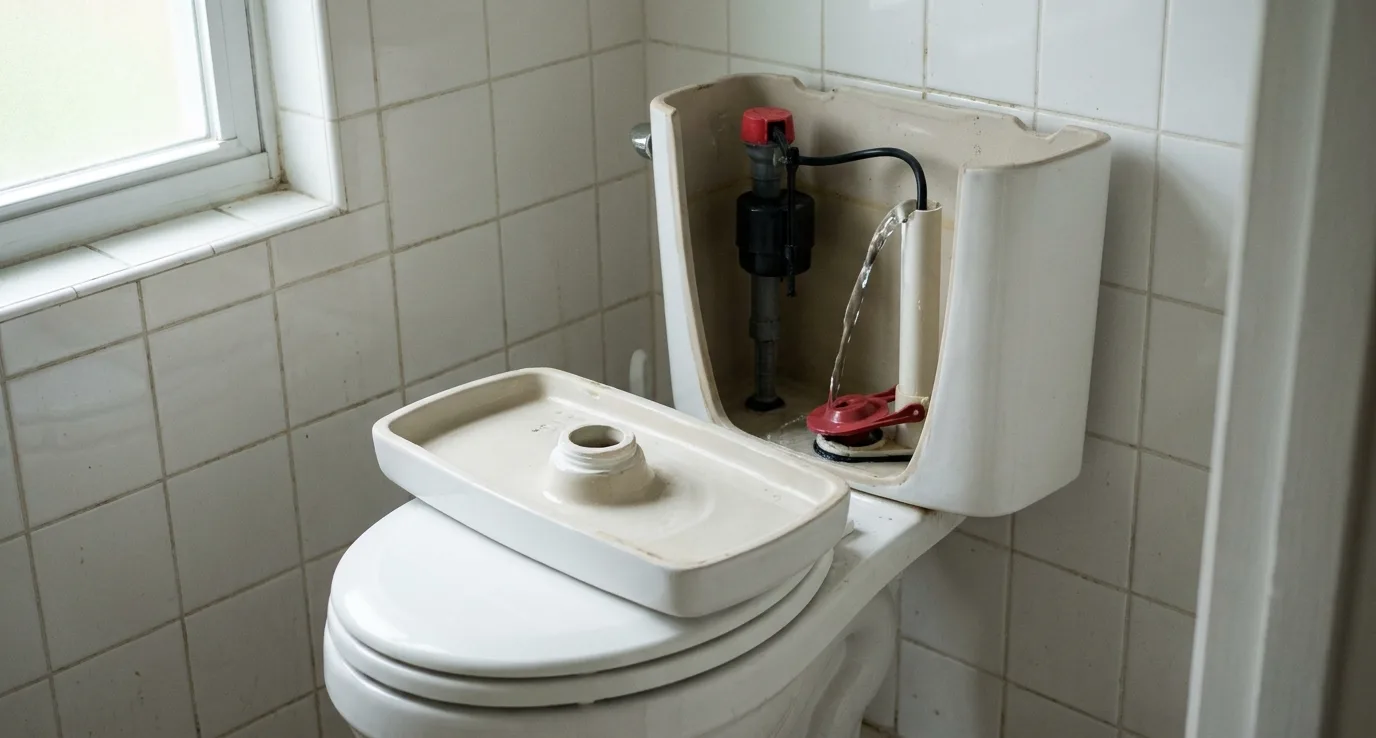
Flappers, fill valves and wax rings are replaced when they cause running or leaking, and the bowl is reset level to stop rocking that cracks the seal.
Float switches and check valves are tested and cleaned, then impellers are cleared of debris so the pump activates at the correct water level.
Slow drains that return after plunging usually mean grease or roots have narrowed the pipe. Gurgling toilets when the washing machine runs point to a main line restriction that needs more than a plunger. Standing water in the tub after a shower signals the same issue further down the stack.
Sewer odors near floor drains often come from dry traps or cracked pipes letting gas escape. Multiple fixtures backing up at once usually indicates the problem sits in the main sewer rather than in one branch line. Water stains on ceilings below bathrooms show supply leaks that have traveled along joists.
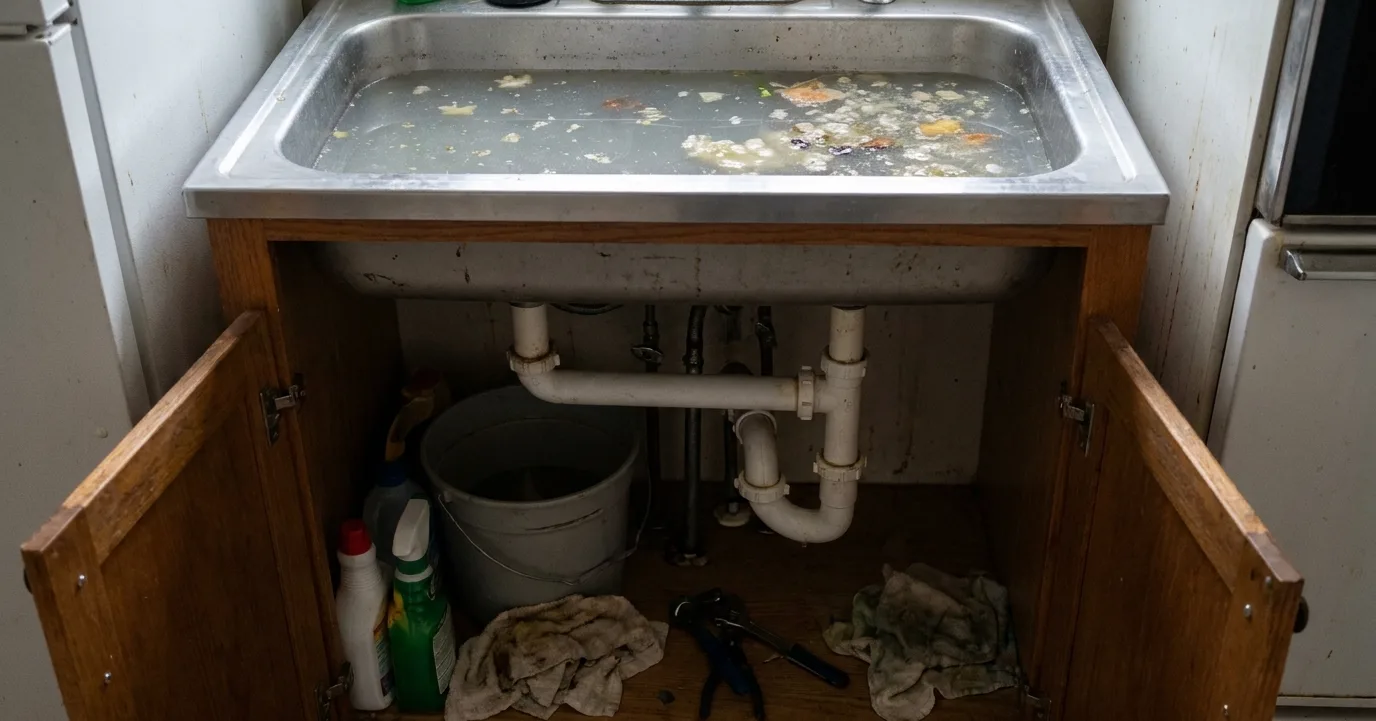
Turn off the water at the main valve if a supply line is spraying so the flow stops before it reaches finished surfaces. Avoid using store-bought drain chemicals since they can damage pipe walls and make later jetting less effective. Run cold water only in other fixtures to keep any solid waste from compacting further downstream.
Write down the affected fixtures and whether the problem occurs on one floor or throughout the house. This information helps the crew decide whether to start at an exterior cleanout or inside the building. Keep pets and children away from any standing water near electrical outlets.
Our technicians follow a set sequence that starts with locating the problem and ends with confirming the line flows correctly.
The crew walks the property to find cleanouts or roof vents that reach the affected line without removing fixtures or cutting drywall first.
High-pressure water is directed through the pipe to slice grease and roots while the hose advances, flushing material out to the sewer main.
A camera head records the pipe interior so the technician sees any remaining defects and decides whether spot repair or lining is required.
After repairs the line is flushed again and the camera is run a second time to verify the pipe is open and joints are sealed before equipment is packed.
The crew locates the nearest cleanout and threads the jetting hose into the line. They start the pump at low pressure to feel for resistance then increase flow to cut through the blockage. After the water runs clear they pull the hose back while flushing debris toward the main.
Next they insert the camera to inspect the pipe wall for remaining scale or damage. If the image shows offset joints or collapsed sections they mark the location on the surface before deciding on the repair method. All equipment is removed and the cleanout cap is replaced once the line flows freely.
The camera footage shows the length of damaged pipe and the material around it. If only one joint is cracked the crew often cuts out that section and installs a new coupling. When multiple cracks appear close together or the pipe is badly scaled they discuss lining the entire run with the homeowner before any digging starts.
Soil type and depth of the line also affect the choice. Sandy soil may allow quick excavation while clay or rock favors trenchless methods. The crew explains both options and the expected longevity of each so the owner can decide based on budget and how long they plan to stay in the property.
The length of pipe that must be cleared or repaired changes the amount of time the crew spends on site and the quantity of materials needed. Deeper lines require more excavation or longer liner material while shallow lines near the foundation are faster to reach. The type of material also matters because cast iron needs different cutting tools than PVC.
Whether the problem is isolated to one branch or affects the main sewer determines how many access points the crew opens. Older homes with multiple offsets take longer to inspect because the camera must be maneuvered around each turn. Rental properties sometimes need extra documentation and permits that add steps before work begins.
Cast iron stacks in older homes often have interior scale that narrows the bore over decades. Jetting removes the buildup and restores flow without replacing the entire stack. When the camera shows thin walls the crew recommends lining rather than repeated jetting that could crack the remaining metal.
In rental units the owner usually wants the least invasive fix that passes inspection. The crew documents the pipe condition with video before and after work so the property manager has a record for future maintenance planning. Access panels are left in place for quick re-entry if another issue appears later.
A snake pushes or cuts a clog in one spot while hydro jetting sends a high-pressure stream that scours the entire pipe wall. The jet removes grease layers and small roots that a cable leaves behind so the line stays clear longer. After jetting the crew runs a camera to confirm the pipe is clean rather than just open at one point.
Limit water use to one fixture at a time and avoid flushing anything solid. Running multiple drains at once can push more material into the already restricted section and make the clog worse. If a supply leak is present shut off the main valve until the technician arrives.
The camera records the actual condition of the pipe wall including cracks, root intrusion and sags that a plunger never reaches. The video lets the crew mark the exact location of damage on the surface so they open only the area that needs repair instead of guessing.
Technicians start at low pressure and increase flow gradually while watching for resistance. Cast iron with thin walls is inspected first with the camera so the crew knows whether to line the pipe rather than jet it repeatedly. The method is chosen based on pipe condition not just the clog.
Spot repairs on accessible pipe can be completed in a few hours once the crew reaches the damaged section. Lining an entire run takes longer because the liner must cure before flow is restored. The crew explains the timeline after the camera inspection shows the full extent of the problem.
The crew matches new sections to the existing material so transitions stay watertight. When lining is chosen the new surface is smooth regardless of the original pipe so future jetting passes easily. All work follows the same pressure and flow standards used on newer construction.
Contact True Plumbing & Hydrojetting when drains slow or pipes leak so our technicians can inspect and clear the lines.