
Toilet Repair in the USA
True Plumbing & Hydrojetting sends technicians who focus on the tank and bowl assembly during Toilet Repair. They measure chain slack on the flapper, check the float height on the fill valve and test the supply shutoff for corrosion that restricts flow. These steps identify whether a single part replacement restores function or if the trapway has scale buildup that affects the siphon.
Homeowners can first locate the angle stop behind the toilet and turn it clockwise to stop water. They should avoid using chemical cleaners that may damage rubber gaskets or flush repeatedly when the bowl fails to clear, which can mask the real issue until our crew arrives with the correct replacement components. The homepage of True Plumbing & Hydrojetting covers every aspect of toilet repair done across the USA.
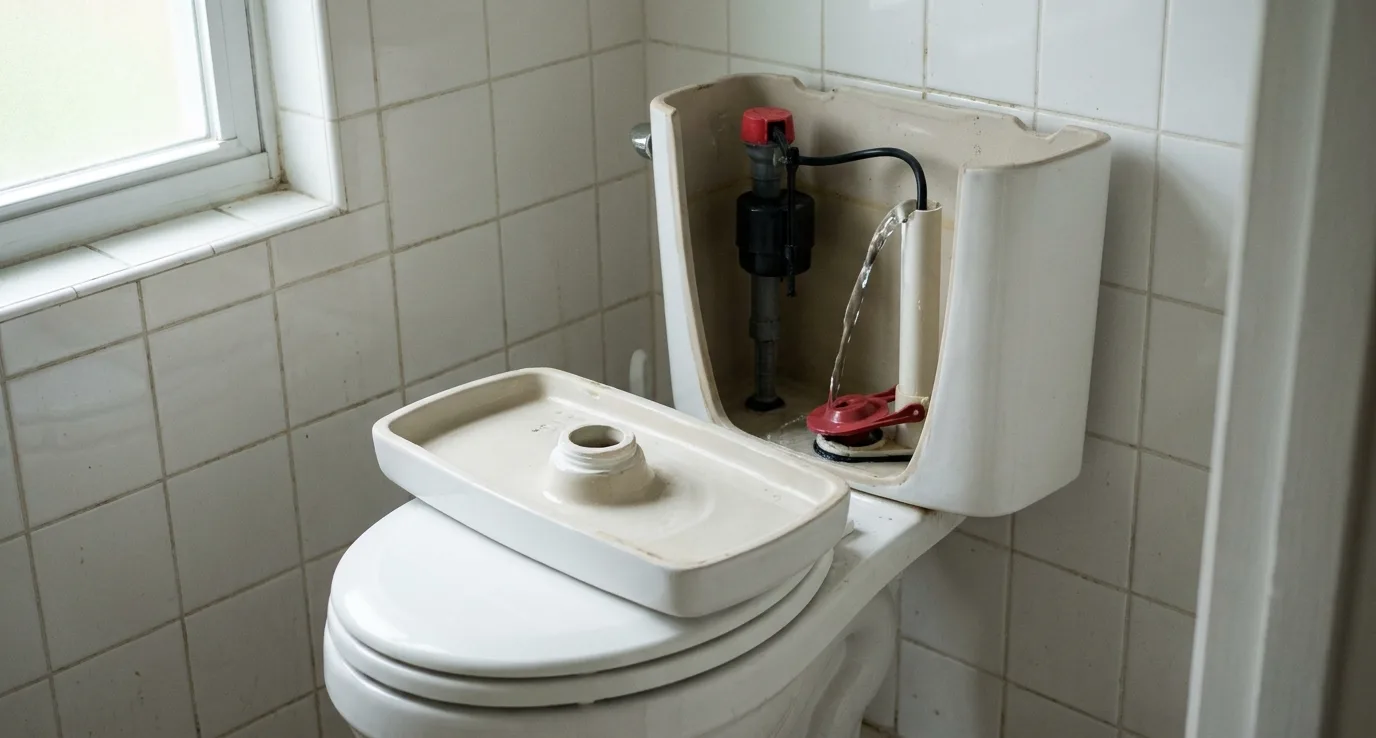
Common Toilet Repair Indicators
- Water continues running after the tank fills
- Bowl water level drops below the normal mark
- Moisture appears at the base where it meets the floor
- Flush produces weak or incomplete siphon action
- Handle requires jiggling to stop the refill cycle
Parts Inspection Sequence
Technicians begin at the tank by removing the lid and observing the flapper during a flush cycle. They note whether the rubber edge seats fully against the flush valve opening or if mineral deposits prevent a complete seal. Next they lift the float arm to confirm the fill valve shuts off at the correct water line marked inside the tank.
The supply line is disconnected at both ends and checked for rubber washer compression and any internal corrosion that narrows the passage. If the line shows kinks or the shutoff valve stem turns with resistance, both are replaced to prevent future leaks under pressure.
Base Leak and Wax Ring Assessment
When moisture is present at the floor, the toilet is rocked slightly to check for movement at the closet flange. Technicians then remove the bolts and lift the fixture to inspect the wax ring for flattening or displacement. A new wax ring is applied along with new bolts and brass washers to create a compression seal between the horn and flange.
If the flange itself is cracked or the subfloor shows rot around the anchors, the repair includes cutting out the damaged area and installing a new flange secured with longer lag bolts into sound framing before resetting the toilet.
Tank Component Replacement Options
A worn flapper is swapped for a new one matched to the flush valve size, with the chain adjusted to one-quarter inch of slack. When the fill valve fails to shut off, the entire assembly is replaced rather than attempting adjustment on an older model that may have internal seat erosion.
The flush handle and trip lever are examined for stripped threads or a bent arm that prevents full flapper lift. These are changed to solid brass or stainless versions to avoid repeat failure from corrosion in the humid tank environment.
Bowl and Trapway Evaluation
Technicians run a camera through the trapway to locate any internal cracks or heavy scale that restricts flow. When the camera shows only minor buildup, a targeted hydrojet clears the passage without disassembly. Cracks visible on the camera require bowl replacement to prevent hidden leaks into the subfloor.
After reassembly, the tank is filled and dye tested around all connections and the base. Any seepage detected prompts immediate re-torquing or part exchange before the job is complete.
Toilet Repair questions
What causes a toilet to run continuously?
A flapper that fails to seat because of mineral buildup or a warped edge allows water to leak into the bowl. The fill valve then keeps opening to maintain the tank level. Technicians replace the flapper and check the fill valve seat for matching wear.
Why does water appear at the toilet base?
The wax ring between the bowl horn and floor flange loses compression over time or the flange shifts. Technicians remove the toilet, clean both surfaces and install a fresh wax ring with new bolts to restore the seal.
Can the supply line be left in place during repair?
The line is disconnected and inspected for internal corrosion or kinks that reduce flow. If the rubber washer is flattened or the shutoff valve stem is stiff, both are replaced to prevent leaks after the toilet is reset.
When does the bowl itself need replacement?
A camera inspection shows cracks in the trapway or visible damage at the horn. In these cases the entire fixture is removed and a new bowl is set on a fresh wax ring and flange to eliminate hidden leak paths.
Schedule Toilet Repair
Contact True Plumbing & Hydrojetting to inspect tank parts, seals and lines for lasting Toilet Repair.