
Leak Detection in the USA
Our technicians locate leaks by isolating sections of pipe and measuring pressure drops at fixtures and valves. They check supply lines under sinks, behind walls, and in crawl spaces where moisture collects and copper or PEX joints loosen over time. When pressure holds steady on one branch but falls on another, they narrow the search to that run.
Homeowners can first shut off the main water valve and note the last water meter reading before calling. Avoid running any taps or toilets so the system stays static. Our crews then arrive with listening devices and moisture meters to confirm the exact spot without unnecessary demolition. True Plumbing & Hydrojetting explains leak detection procedures in detail on the homepage serving the entire USA.
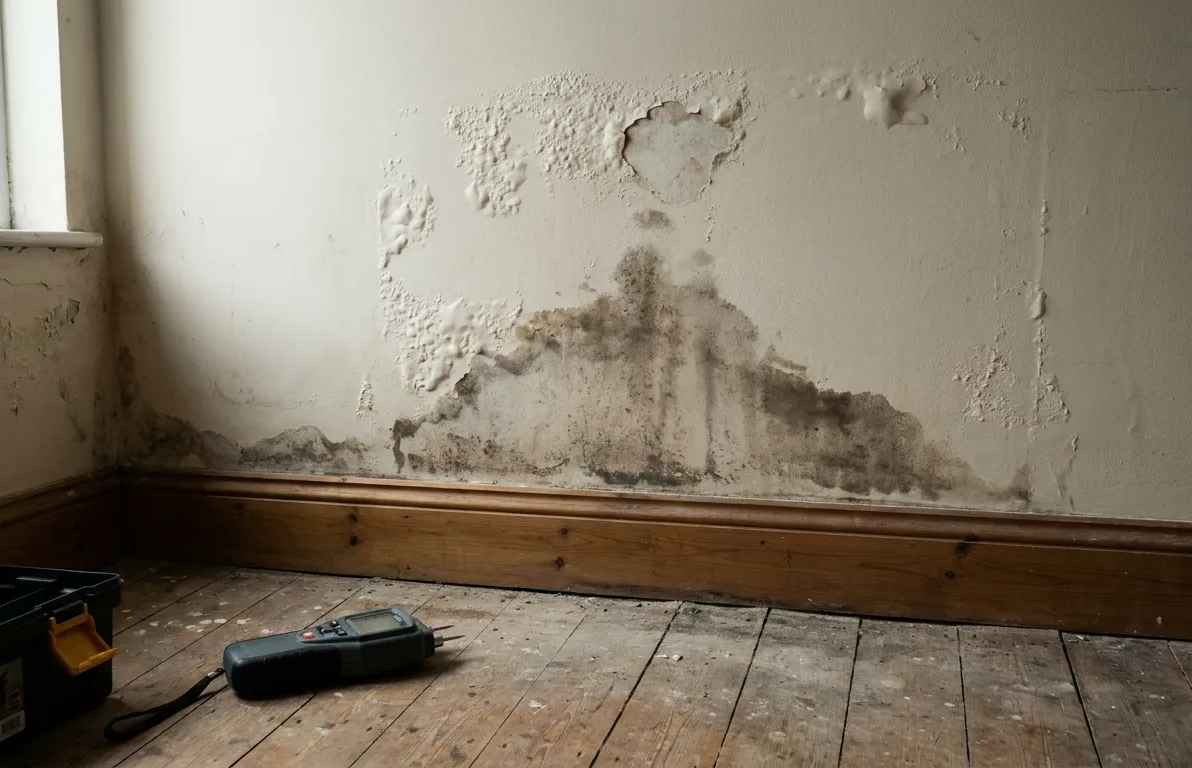
Common Leak Indicators
- Water meter spins when all fixtures are off
- Damp patches appear on walls or ceilings
- Sudden drop in water pressure at multiple taps
- Musty odors near slab or foundation edges
- Higher than usual monthly water usage readings
Inspection Process
Technicians start at the meter and perform a static pressure test on the main line. They close every valve and watch for needle movement on a gauge for fifteen minutes. Any drop points to a continuous loss downstream. They repeat the test on individual branches after isolating them with shutoffs.
Acoustic sensors pick up the sound of water escaping under pressure through small cracks or corroded threads. Our technicians mark the loudest point on the surface and verify with a thermal camera that shows temperature differences where cooler supply water mixes with warmer surroundings.
Repair Choices
Once the leak is pinpointed, crews cut out the damaged section and install new copper or PEX with press fittings rated for the existing pressure. For slab leaks they may reroute above grade using approved tubing and secure it to joists. They restore access points with matching finishes.
In older galvanized lines technicians sometimes sleeve a short run with epoxy-lined pipe instead of full replacement. They pressure test the repaired section again before backfilling or closing walls to confirm zero loss.
Materials Used
We stock press-connect fittings, sharkbite-style couplings, and lead-free solder for copper joints. For underground work we use SDR-rated polyethylene tubing with compression glands that resist soil movement. All gaskets and O-rings are rated for chlorinated water and temperature swings.
Technicians carry moisture probes that read wood and drywall saturation levels so they know how far to open a wall. They also use video scopes on drain lines when a leak may be tied to a cracked cleanout or trap.
Homeowner First Steps
Turn off the main shutoff if water is actively pooling. Check which fixtures still have pressure and which do not. Keep the area ventilated and avoid electrical outlets near wet floors until the source is isolated.
Write down the water meter reading and the time. This helps our technicians calculate the approximate gallons lost per hour once they arrive and confirms the leak has not worsened overnight.
Leak Detection questions
How do you find leaks without tearing up floors?
We isolate sections with valves and run pressure tests while listening with electronic sensors. Acoustic and thermal tools show the leak path through slab or walls so only a small access point is needed for repair.
Can a small drip cause big damage over time?
Yes. Even a slow leak at a compression fitting can saturate subflooring and promote mold within weeks. Constant moisture also corrodes nearby pipes and raises humidity levels that affect HVAC efficiency.
What if the leak is under a concrete slab?
Technicians determine whether to excavate a small pit or reroute the line above grade. They use approved tubing and backfill with compacted sand so future movement does not stress the new joints.
Should I keep using water while waiting for service?
Limit use to one fixture at a time and monitor the meter. If pressure drops quickly or puddles form, shut off the main valve and do not restore flow until the line is repaired and retested.
Schedule Leak Detection
Contact True Plumbing & Hydrojetting to locate and stop hidden leaks before they damage floors or raise bills.