
Sump Pump Repair in the USA
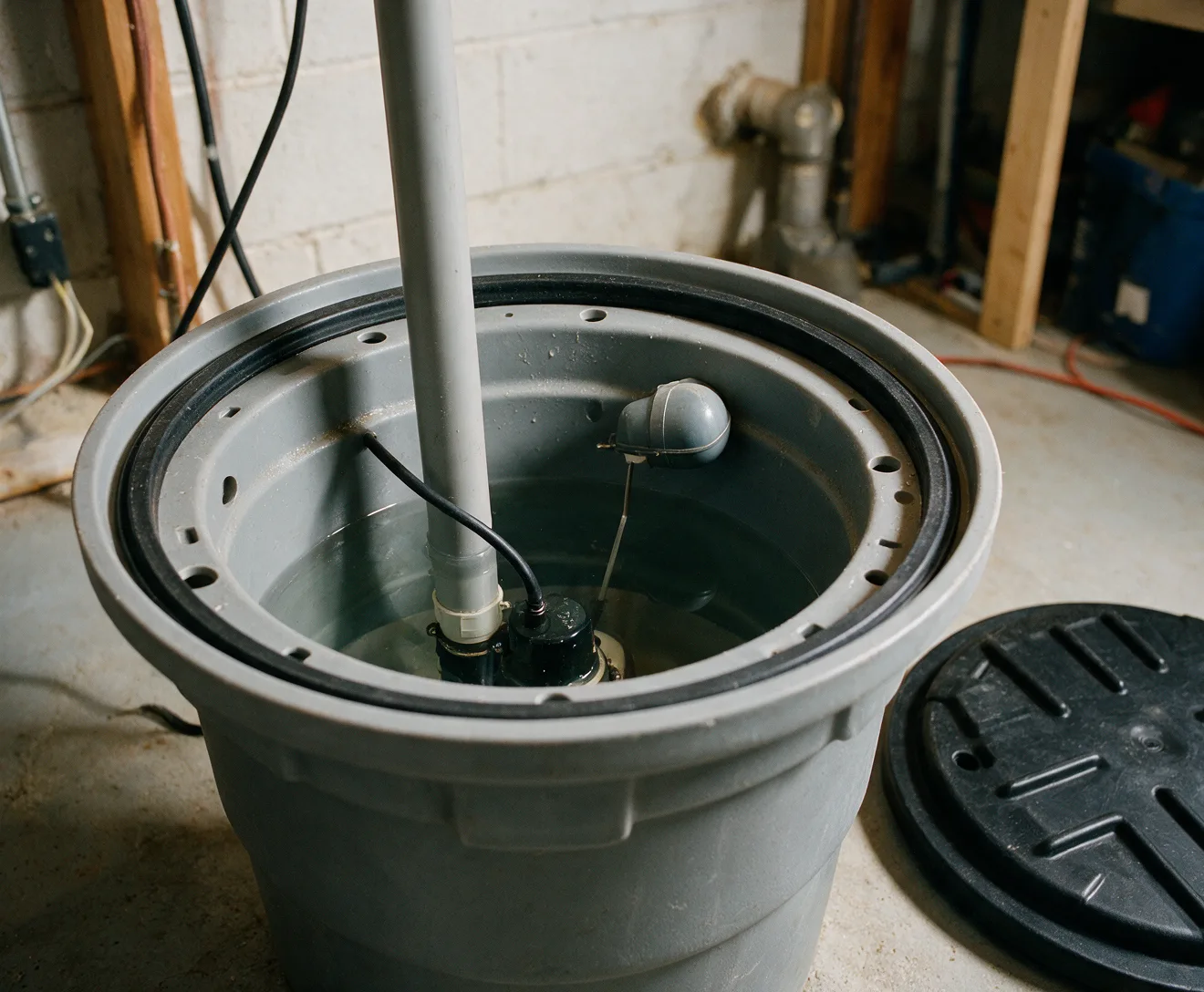
True Plumbing & Hydrojetting sends technicians to homes nationwide when sump systems stop moving water out of foundation pits. These pumps sit inside a basin that collects groundwater through perimeter drains and push it through a discharge pipe to a safe outlet. When the motor fails or the switch sticks, water backs up and can reach finished floors within hours of heavy rain. Our crews carry replacement submersible units, vertical float switches, and rigid PVC check valves sized for standard residential discharge.
Homeowners facing rising water should first locate the sump basin cover and listen for the pump motor. If the unit hums but does not eject water, the check valve or impeller may be blocked. Switching off power at the breaker prevents dry running that burns out the motor. Clearing loose debris from around the basin lid reduces the chance of material falling inside before technicians arrive. Residents find True Plumbing & Hydrojetting on their homepage ready for any sump pump repair situation in America.
Warning Signs of Sump Pump Failure
- Water appears on the basement floor near the sump basin during rain.
- Pump runs continuously without lowering the water level in the pit.
- Loud grinding or clicking sounds come from the motor housing.
- Discharge pipe outside shows no water flow when the pump activates.
- Basement humidity rises and mold spots form on lower wall sections.
Common Causes of Sump Pump Issues
Debris such as gravel, sand, and leaves enters the basin through the drain tiles and settles around the pump intake. Over time this material packs against the impeller and prevents it from turning freely. Power interruptions also stop the pump during the exact moments it is needed most, allowing the pit to overflow. Float switches coated with grease or mineral scale can stick in the down position and never trigger the motor.
Corrosion eats through the discharge pipe or check valve, creating leaks that let water fall back into the basin. In older installations the original pump may simply reach the end of its mechanical life after thousands of cycles. Technicians see these patterns repeatedly when responding to wet basements across the USA.
What Our Technicians Inspect and Measure
Upon arrival technicians remove the basin lid and check how far the water surface sits below the bottom of the pit to confirm the pump is set at the correct activation height. They test voltage at the outlet, operate the float switch manually, and listen for motor amperage draw that indicates binding. A small mirror or phone camera is used to check the impeller for obstructions without full disassembly.
Discharge piping is traced outside to verify the check valve closes tightly and the outlet terminates above grade with proper slope. If the line runs through a wall, technicians feel for moisture or soft spots that reveal hidden cracks. All findings are explained to the homeowner before any parts are ordered or replaced.
Repair and Replacement Options
When the existing pump motor still runs but the impeller is clogged, technicians remove the unit, clear the debris, and reinstall it after flushing the basin. Stuck float switches are replaced with vertical or tether styles matched to the pit diameter. If the discharge line has settled or cracked, a new section of schedule 40 PVC is cut and glued in place with a fresh check valve.
For homes that experience frequent power loss, a battery backup system can be added that automatically switches to DC power and continues pumping. Full replacement involves selecting a new submersible pump with the correct horsepower and GPM rating for the expected groundwater volume, then connecting it to the existing discharge with proper fittings and strain relief.
Materials and Parts Used
Technicians stock 1/3 and 1/2 horsepower submersible pumps with cast iron or thermoplastic housings. Vertical float switches with stainless steel rods resist corrosion better than older tether models. Check valves are chosen with full-port openings to reduce clog risk and are installed with unions so future service does not require cutting pipe.
Discharge piping uses schedule 40 PVC sized to the pump outlet, typically 1.5 inches, along with rubber couplings that absorb vibration. Basin lids are replaced when cracked, using gas-tight models that prevent odors and radon entry. All connections are made with stainless clamps and thread sealant rated for continuous water contact.
Sump Pump Repair questions
How often should a sump pump be tested?
Homeowners can safely test the unit monthly by pouring water into the basin until the float rises and the motor starts. Listen for steady discharge outside and confirm the pump shuts off once the water level drops. This simple check reveals stuck switches or blocked lines before the next storm arrives.
What causes a sump pump to run continuously?
A float switch stuck in the up position keeps power flowing to the motor. A leaking check valve lets water drain back into the pit and re-triggers the pump. Clogged discharge piping or a failing impeller that moves little water also forces longer run times until the motor overheats.
Can a homeowner replace a sump pump without professional help?
Unplugging the unit and lifting it out of a shallow basin is possible if the discharge connection uses unions. However, matching horsepower, verifying float travel, and ensuring the new check valve seats correctly requires experience. Incorrect installation often leads to immediate leaks or failure during the next heavy rain.
Why does the pump need a check valve?
The valve closes when the motor stops and prevents water already pushed into the discharge pipe from falling back into the basin. Without it the pump must re-lift the same water on every cycle, shortening motor life and increasing energy use. Technicians always confirm the valve clapper moves freely during service visits.
Schedule Sump Pump Repair
Contact True Plumbing & Hydrojetting when your sump system shows any of the signs above.