
About True Plumbing & Hydrojetting
True Plumbing & Hydrojetting receives calls about slow drains or sewer backups and sends technicians equipped for hydrojetting and camera inspections. The team evaluates the pipe condition on arrival, identifies blockages from scale or intrusion, completes the service, and shows the homeowner what was found before restoring the area.
Questions about a job? Start on the True Plumbing & Hydrojetting homepage or call (855) 818-4589.
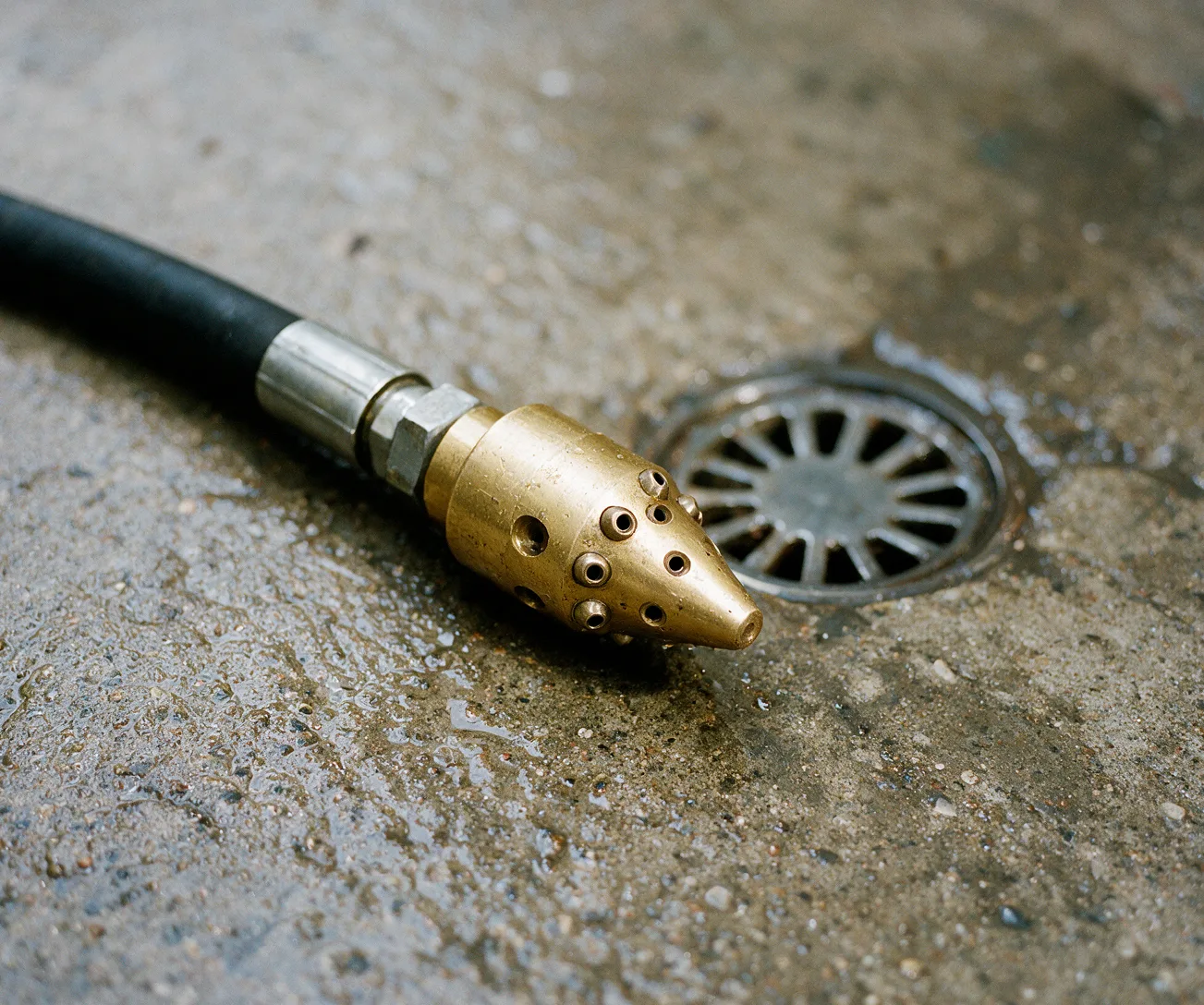
Camera First Approach
Technicians always inspect lines with a camera before applying hydrojetting so the exact cause of blockage is identified and addressed directly.
Pipe Wall Cleaning
Hydrojetting removes grease, roots, and scale from pipe walls rather than only opening a path through the center of the obstruction.
Findings Shared Onsite
Homeowners receive a clear explanation of camera results and the condition of the pipe while the equipment is still in place.
Area Restored
After every service the crew returns access points to their original state and removes any water or debris created during the work.
Handling Incoming Calls
When a homeowner contacts True Plumbing & Hydrojetting about a clogged drain, the details provided guide the choice of equipment brought to the site. Technicians prepare both a hydrojetting unit and a sewer camera so they can first view the line interior and then apply targeted water pressure. This preparation avoids repeated trips and lets the crew address grease buildup or root entry in one visit without guessing at the obstruction type.
The call process also includes questions about recent water use or recurring slow flow. These answers help technicians anticipate whether the issue lies in a main sewer line or a branch drain. By gathering this information beforehand, the crew selects the right nozzle for the jetter and confirms the camera reach needed, ensuring the visit focuses on the actual pipe condition rather than trial and error.
Initial Site Assessment
On arrival our technicians locate the cleanout or access point and insert the camera to record the pipe interior. The footage reveals whether scale has narrowed the diameter, roots have penetrated joints, or grease has accumulated along the bottom. Homeowners receive a direct description of these findings while the camera is still in the line, allowing them to see the same images the technician sees.
After the camera pass the crew tests water flow from fixtures to confirm the location and severity of the restriction. This step distinguishes a partial clog that hydrojetting can clear from a collapsed section that requires excavation or pipe repair. The assessment stays focused on observable pipe conditions rather than assumptions about what lies beyond the visible footage.
Executing Hydrojetting Work
Once the camera confirms the blockage material, technicians attach the appropriate jetter nozzle and begin feeding the hose into the line. High-pressure water breaks apart grease deposits and flushes root fragments and mineral scale downstream. Unlike a mechanical snake that only punches a hole through the material, the jetter scours the pipe walls so the original diameter is restored and future buildup slows.
During the process the crew monitors pressure and hose progress to avoid forcing debris into undamaged sections. When flow returns to normal they perform a second camera inspection to verify the line is open and the walls are clear. This verification step documents that the hydrojetting reached the affected area and removed the identified obstruction rather than simply bypassing it.
Job Completion Steps
After the line is cleared technicians withdraw the equipment and wipe down the cleanout area and any adjacent flooring. They replace access covers and remove water or debris that may have surfaced during the service. The work area is left in the same condition it was found so the homeowner does not need additional cleanup.
Before departing the crew reviews the before-and-after camera footage with the homeowner and points out any remaining concerns such as offset joints or recurring root risk. They note what maintenance steps the homeowner can perform safely, such as avoiding certain drain products that worsen buildup, and outline signs that would indicate a need for future inspection.