
Drain Cleaning in the USA
Our technicians respond to slow drains by first running a camera through the line to see where grease has coated the walls or where roots have entered joints. They measure flow rates at cleanouts to confirm the restriction point before choosing hydrojetting over mechanical snaking. Hydrojetting sends a focused stream of water at several thousand psi that strips buildup from the pipe interior while flushing debris downstream.
Homeowners should stop pouring chemical cleaners once water backs up because those products can damage older cast-iron or PVC joints and make the clog worse. Instead, remove the cleanout plug if accessible and check whether standing water recedes on its own. True Plumbing & Hydrojetting crews then arrive with jetting hoses sized to the pipe diameter so the nozzle reaches every section without forcing the line open. Across the USA many residents rely on True Plumbing & Hydrojetting to handle drain cleaning effectively at home.
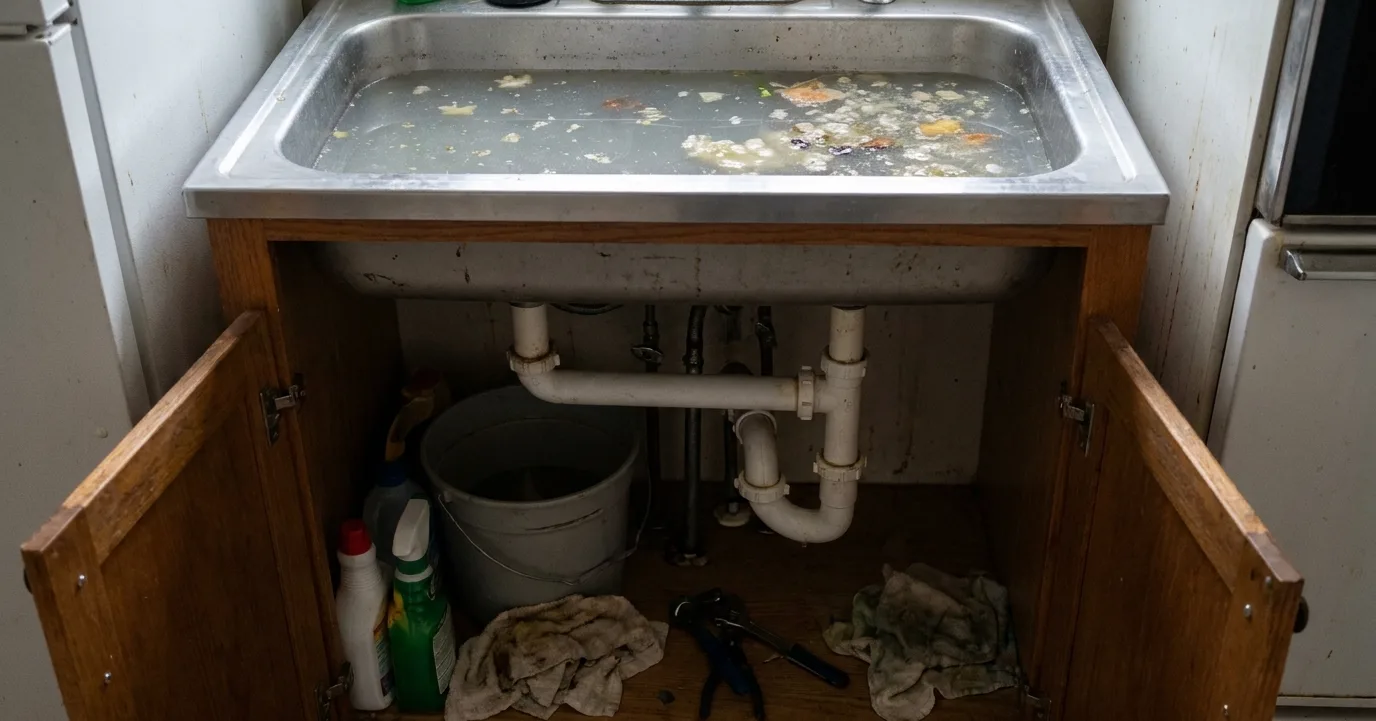
Warning Signs of Restricted Flow
- Water rises in the tub when the toilet flushes.
- Several fixtures slow down together.
- Gurgling sounds travel through the vent stack.
- Sewage odors appear near floor drains.
- Toilet water level drops without being used.
Common Causes Inside Residential Lines
Kitchen lines collect cooking grease that cools and hardens on the pipe wall, narrowing the opening until only a trickle passes. Bathroom lines trap hair mixed with soap scum that forms a dense mat at the trap or further down the branch. Main lines in older homes often contain mineral scale that builds from hard water until the effective diameter shrinks by half.
Tree roots seek moisture and enter through any offset joint or crack, then expand inside the pipe and trap solids. Foreign objects such as wipes or paper towels that do not break down can lodge against these restrictions and create a complete stoppage. True Plumbing & Hydrojetting crews identify which material is present before selecting the correct jetting head.
How Hydrojetting Differs from Snaking
A cable machine breaks the clog into pieces but leaves residue on the pipe walls that quickly reforms. Hydrojetting directs water jets in multiple directions that scour the interior surface and wash the debris to the sewer main. Technicians adjust pressure and nozzle rotation to match pipe material so they avoid cracking older clay or thin-wall plastic.
After the jet passes, the crew runs the camera again to verify that the walls are clean and that no offsets or collapses remain. This step prevents repeat calls because the line now carries full volume. True Plumbing & Hydrojetting records the before-and-after footage for the homeowner to review on site.
What Technicians Measure During the Visit
Technicians first locate every cleanout and record which ones accept water and which ones back up. They measure how far the cleanout sits from the suspected blockage using the camera cable markings. Pipe diameter is confirmed so the correct jetting hose and nozzle can be selected without getting stuck.
They also check slope with a digital level because poor pitch allows solids to settle even after the clog is removed. If a section shows standing water, the crew notes the location for possible repair rather than repeated cleaning. All readings are logged before any water is introduced into the line.
Steps Homeowners Take Before the Crew Arrives
Turn off any running water at fixtures that share the affected line so the backup does not spread. Place towels around the base of toilets and tubs in case water rises during the initial camera inspection. Avoid using the garbage disposal because additional food particles can pack the restriction tighter.
If a cleanout is visible outside, note its location and whether the cap is accessible. Do not attempt to rod the line with a hand auger because the tool can push material deeper or damage the pipe wall. True Plumbing & Hydrojetting technicians will handle entry and clearing once they arrive with the proper equipment.
Drain Cleaning questions
How long does hydrojetting take on a main line?
Most residential main lines clear in under two hours once the camera locates the restriction. Our technicians set up the jetting unit, run the hose, and verify the result with a second camera pass before packing equipment.
Will hydrojetting damage my pipes?
Technicians select pressure and nozzle type according to pipe material and age. Cast iron and PVC handle the stream when the operator keeps the head moving. Clay or Orangeburg lines receive lower pressure settings to avoid cracking weakened sections.
Can I clear a kitchen clog myself first?
A plunger can move loose debris in a single trap, but it rarely reaches grease farther down the branch. Stop after one attempt and call True Plumbing & Hydrojetting so the line receives a full interior cleaning instead of a temporary break in the clog.
What happens if roots are the cause?
The jetting head cuts root fibers flush with the pipe wall and flushes them out. Any remaining root mass at joints is noted on camera for possible future lining or spot repair so the same roots do not re-enter within months.
Schedule Drain Cleaning
Contact True Plumbing & Hydrojetting for Drain Cleaning that removes buildup at the pipe wall and restores flow across the USA.