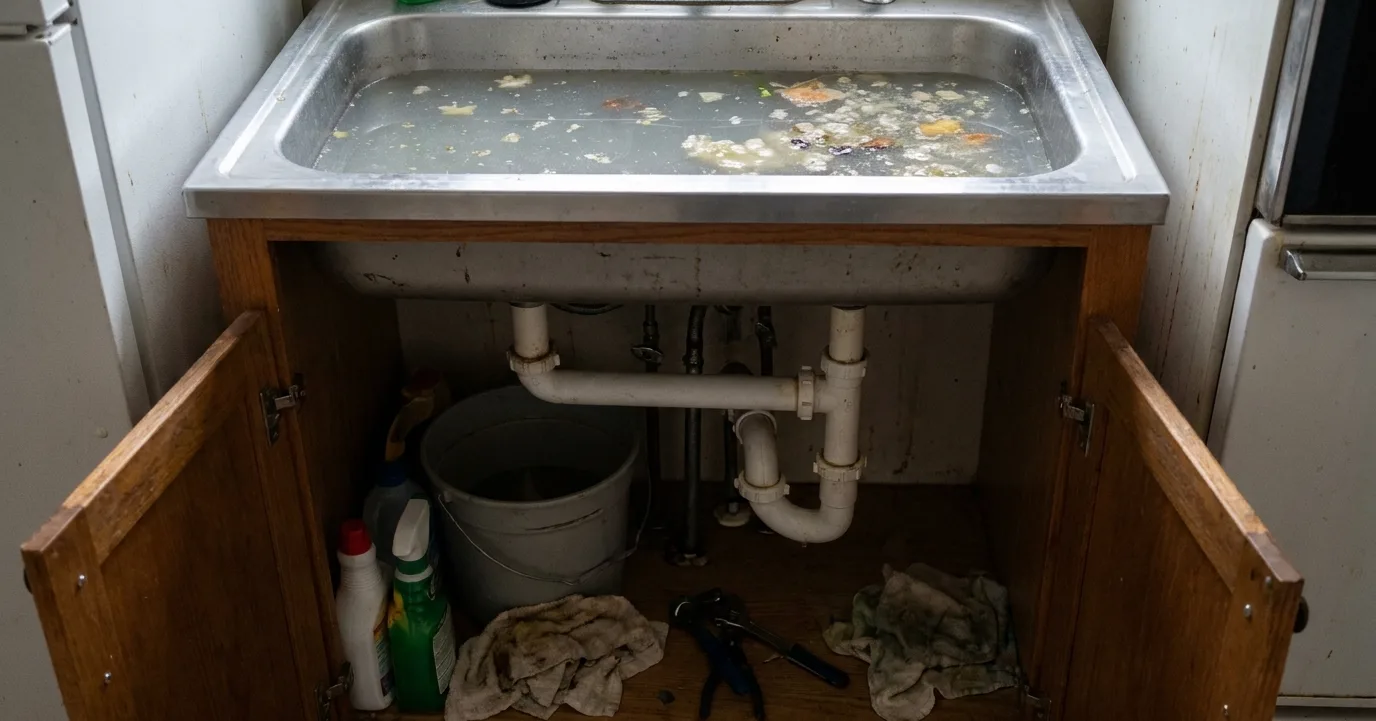
Our technicians use hydrojetting equipment that sends high-pressure water streams through pipes to strip away grease buildup, mineral scale and root intrusion that a cable cannot fully remove. The method restores full flow without digging in many cases while the operator monitors progress from the cleanout or access point.
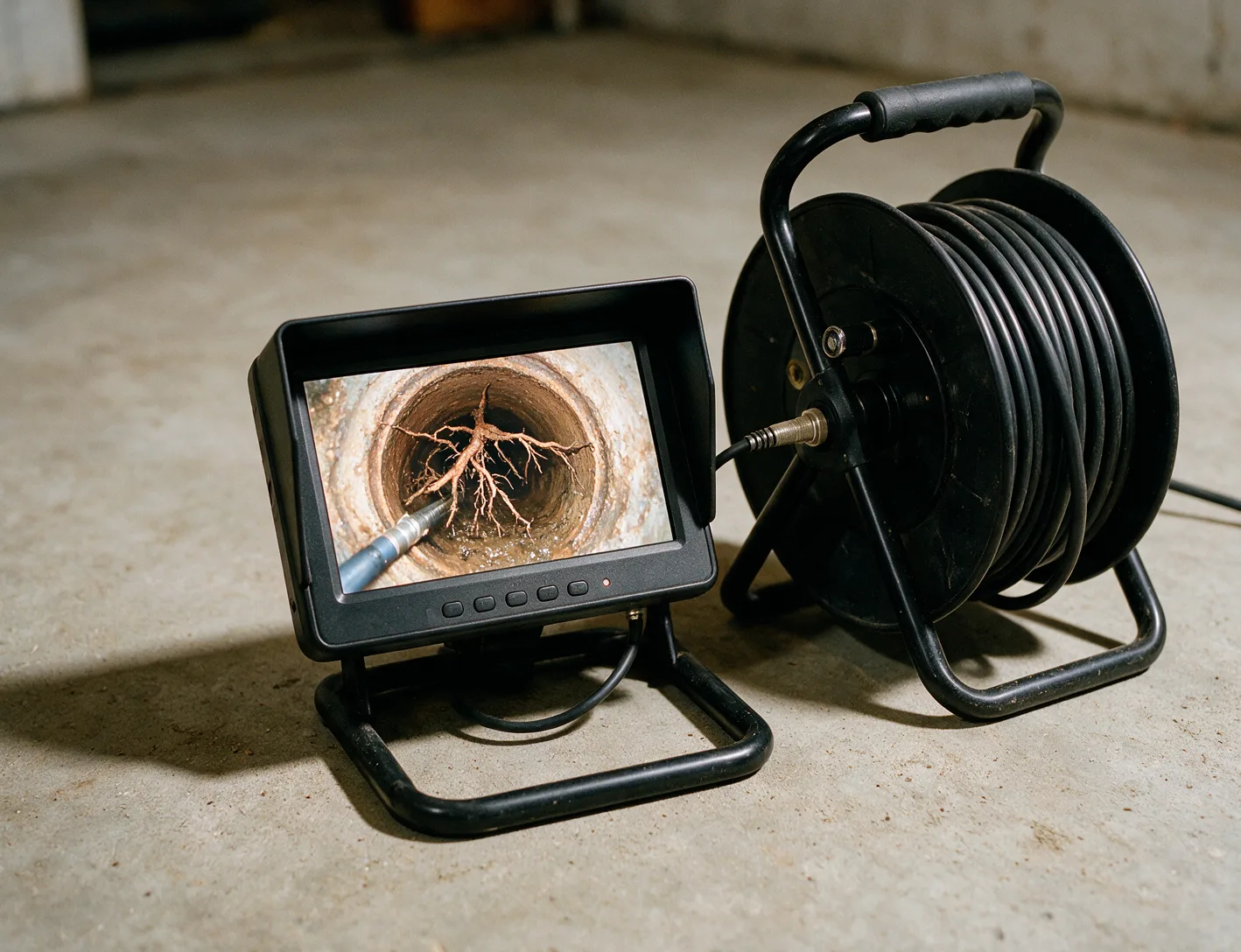
Sewer camera inspections reveal the exact location and type of damage such as cracks, offsets or collapsed sections so crews can decide between spot repair and full line replacement. Water heaters receive element checks, anode rod inspection and sediment flushing to prevent leaks before they start. Every service below is available from True Plumbing & Hydrojetting across the USA.
Hydrojetting directs a focused water jet at pipe walls to cut through layers of grease and soap scum that accumulate in kitchen lines. A cable may open a path but leaves residue that restricts flow again within weeks while the jetting process scours the interior surface clean.
The camera head travels through the sewer line and transmits live video that shows root penetration points, joint separations and standing water levels. Technicians record distances from the cleanout so repairs target only the damaged segment without exploratory excavation.
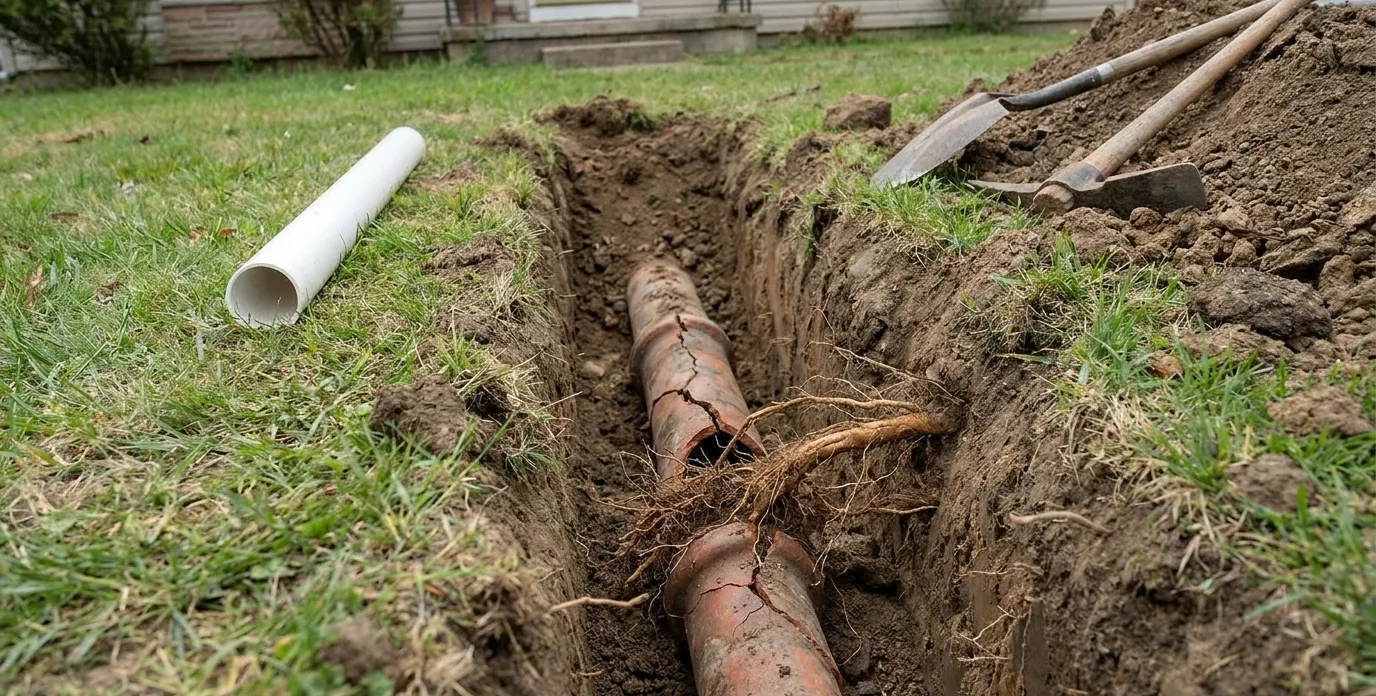
When the camera identifies a break or offset, crews excavate at the precise footage mark to replace the affected pipe section. Hydrojetting follows the repair to verify restored flow and to remove any debris introduced during the work.
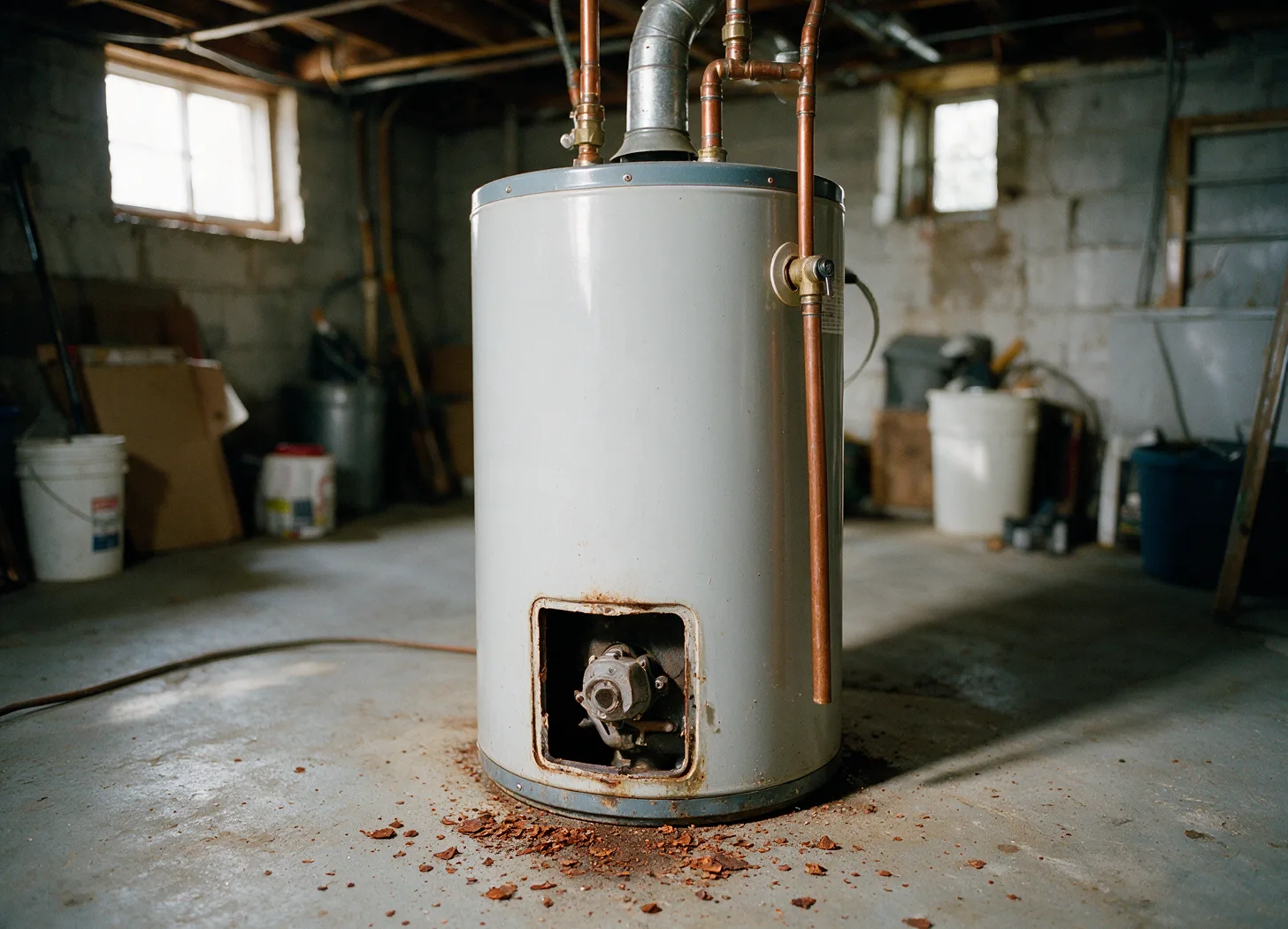
Technicians test thermostats, heating elements and gas valves to isolate the cause of insufficient hot water or leaking connections. Sediment is flushed from the tank bottom to restore efficiency and reduce stress on the bottom weld seam.
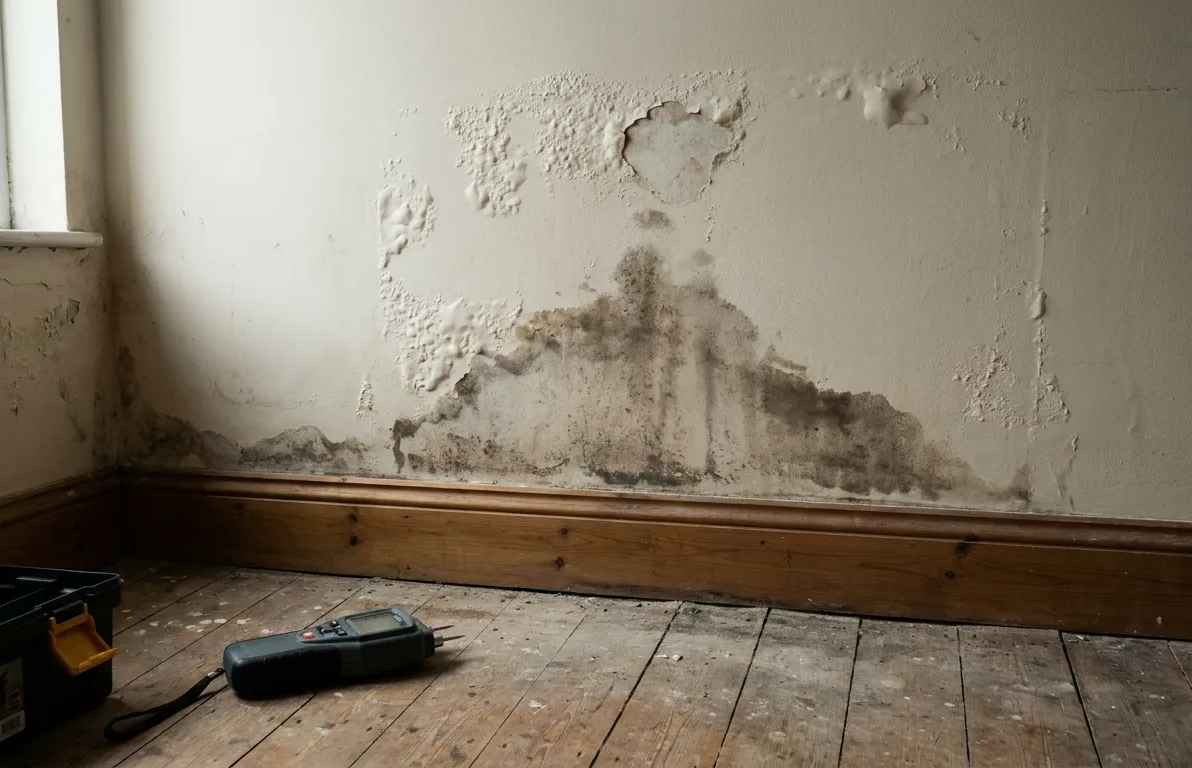
Acoustic listening gear and moisture readings trace water movement behind walls or under slabs without removal of finishes. Once located, the crew isolates the line section and performs a targeted fix rather than replacing an entire run.
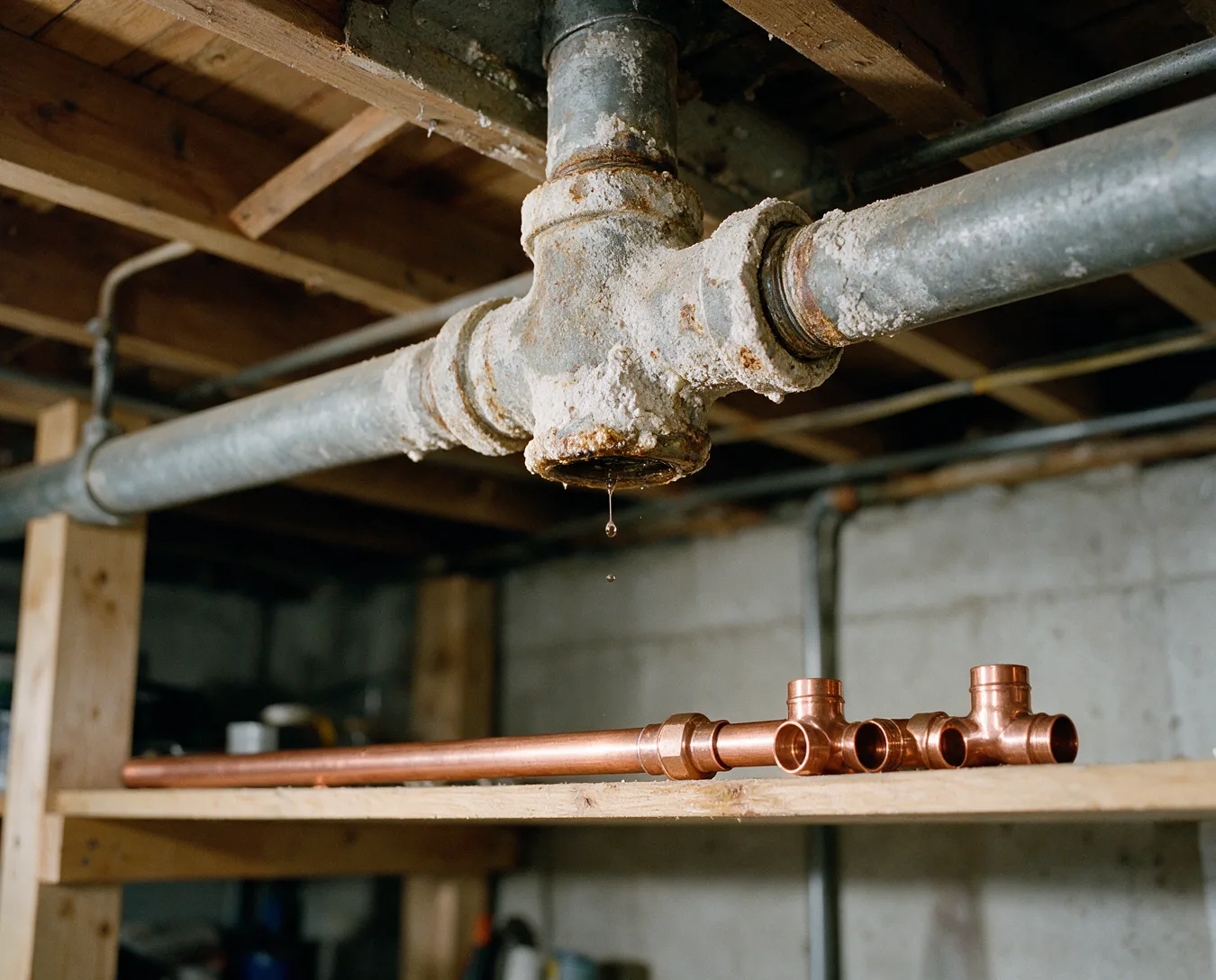
Corroded galvanized or cast iron sections are cut out and replaced with modern materials that resist scale attachment. Hydrojetting is applied afterward to confirm the new pipe interior remains clear of construction debris.
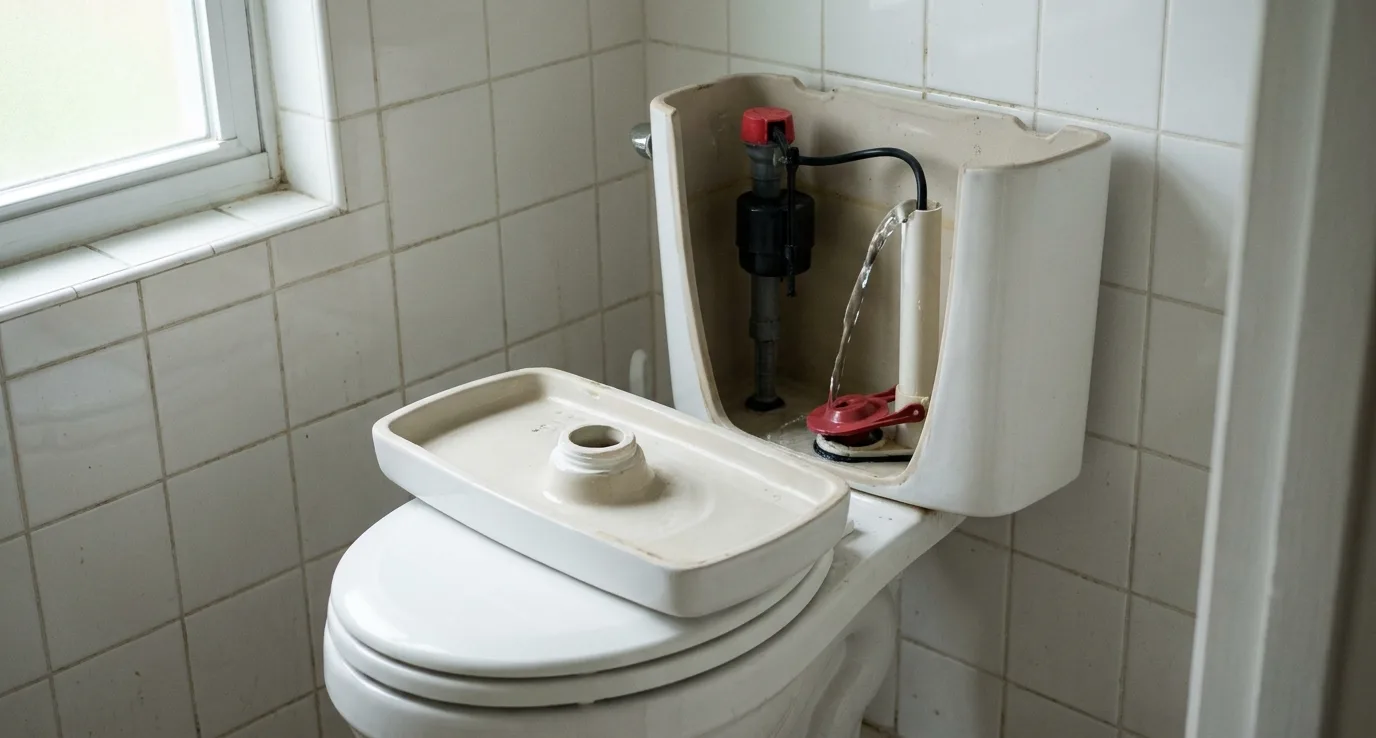
Flapper valves, fill valves and wax seals are examined for wear that allows constant running or seepage at the base. Replacement parts restore proper tank levels and eliminate the need for repeated jiggling of the handle.
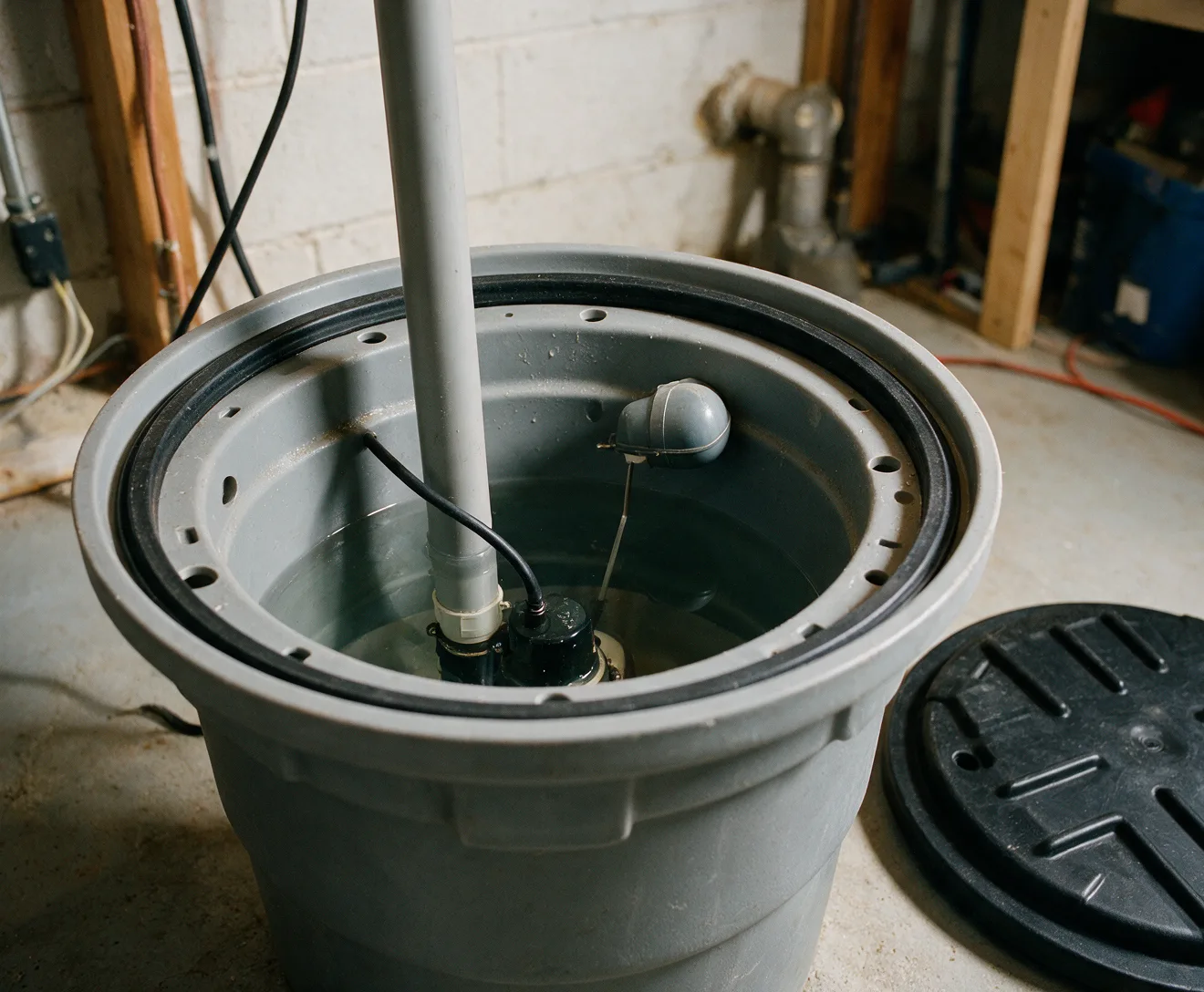
Float switches and check valves are tested for proper operation so the pump activates before water reaches the basement floor. The discharge line is cleared of debris that could cause backup during heavy rain events.
Choosing the right service
Slow drains that return quickly after plunging point to partial blockages from grease or scale that hydrojetting can clear. Recurring backups with multiple fixtures indicate a main line issue best confirmed first with camera footage before any repair begins.
Water on the floor near a heater or hissing sounds from the tank call for heater service while damp spots along baseboards suggest a hidden supply or waste leak that requires electronic detection. Sump pumps that run continuously or fail during storms need switch and discharge line inspection.