
Water Heater Repair in the USA
Water heaters develop problems from mineral scale settling at the tank bottom and shortening element life. Our technicians at True Plumbing & Hydrojetting measure voltage at elements, test thermostat calibration, and inspect the dip tube for cracks that mix cold water with hot. Homeowners should first shut off power or gas at the unit and close the cold inlet valve before any further checks.
Scale buildup insulates heating surfaces so the unit runs longer yet delivers lukewarm water. True Plumbing & Hydrojetting crews drain several gallons from the bottom outlet to sample sediment color and texture, then decide whether flushing or part replacement will restore output without full tank removal. For water heater repair needs True Plumbing & Hydrojetting directs visitors to their homepage available in the USA.
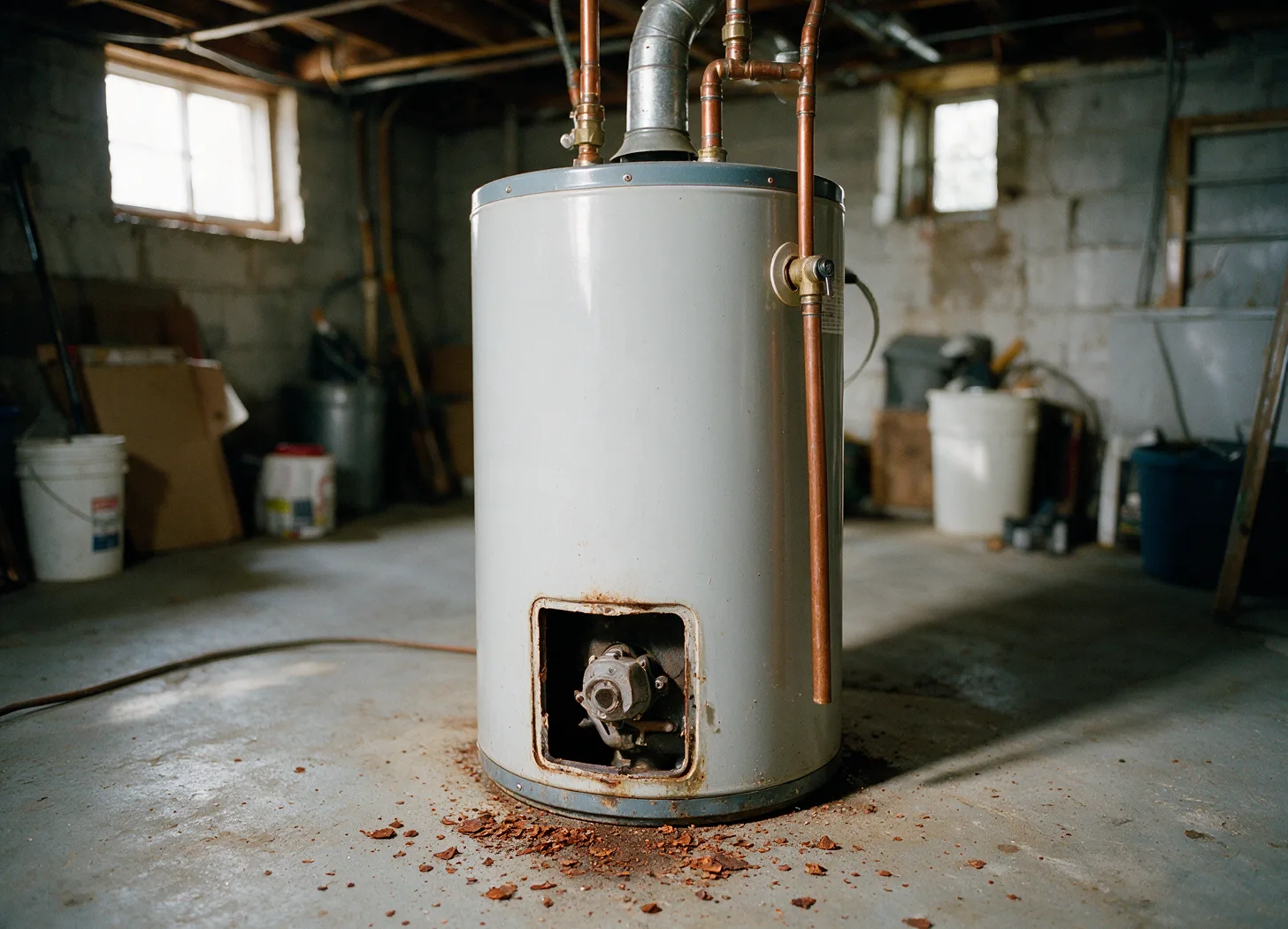
Common Indicators of Water Heater Trouble
- Water swings between hot and lukewarm during one shower
- Rumbling or popping noises come from the tank while it heats
- Rust colored water appears at hot taps but clears after several seconds
- Moisture gathers under the tank or around connections
- Hot water pressure drops while cold pressure stays steady at the same fixture
What Technicians Measure on Site
Our technicians first read voltage and amperage at each heating element with a multimeter. Low readings point to failed elements or wiring issues while correct voltage with no heat indicates a thermostat problem. They also check the temperature and pressure relief valve for proper lift and reseat.
Next they measure incoming and outgoing water temperatures at the unit to calculate recovery rate. A large drop signals heavy scale on the lower element or a collapsed dip tube that lets cold water bypass the heating zone. These measurements guide the choice between element swap and full flush.
Gas models receive an additional combustion check. Technicians inspect the burner orifice for soot, verify pilot flame shape, and confirm the thermocouple generates the correct millivoltage before reassembly.
Repair and Replacement Choices
When only one element has failed, True Plumbing & Hydrojetting replaces the 4500 watt unit and flushes the tank to remove loose scale. Both upper and lower elements are changed together on electric tanks because the second element often fails soon after the first.
If the tank wall shows active corrosion around the anode rod, crews install a powered anode to protect the remaining metal without draining the entire vessel. This option avoids full replacement when the tank bottom remains sound.
Severe leaks at the glass lined seam require tank removal. Technicians cap the old connections, set the new unit on a drain pan, and restore dielectric unions to prevent future galvanic corrosion between copper and steel.
Parts and Materials Used
Replacement elements are low watt density stainless steel to resist scale better than copper. True Plumbing & Hydrojetting stocks both screw in and bolt in styles with the correct gasket thickness for each model.
Thermostats are dual element types with adjustable range from 90 to 150 degrees. The dip tube is replaced with a cross linked polyethylene version that withstands higher temperatures without softening.
Anode rods come in magnesium for soft water areas or aluminum zinc for hard water. Technicians select the alloy based on the sediment sample taken during the initial drain.
First Steps for Homeowners
Before calling, homeowners can note whether the unit is electric or gas and write down the model number from the data plate. They should also confirm whether hot water is absent at every fixture or only at certain taps.
If the tank is leaking, the cold water inlet valve must be closed immediately and the circuit breaker or gas supply turned off. Standing water should be mopped to protect flooring while waiting for arrival.
Never attempt to relight a gas pilot if the smell of gas is present. Leave the area and contact the utility first, then reach True Plumbing & Hydrojetting for Water Heater Repair.
Water Heater Repair questions
How long does a typical element replacement take?
Element replacement usually requires draining the tank to the element level, removing the old gasket, and torquing the new element to spec. Our technicians complete the flush and electrical test in one visit once the water has cooled enough to drain safely.
Why does my water heater make noise?
Steam bubbles form under the layer of scale and collapse against the tank wall, creating the popping sound. Flushing removes the loose sediment and often quiets the unit until scale reforms on the elements.
Can a leaking temperature pressure relief valve be repaired?
A weeping valve is replaced rather than cleaned because the seat is usually eroded. Technicians install a new valve with the correct pressure rating and run a short discharge pipe to a safe location.
What causes rusty hot water but clear cold water?
The anode rod has been consumed and the tank lining has begun to corrode. Replacing the anode buys time, yet continued rust means the tank interior is deteriorating and replacement should be planned.
Schedule Water Heater Repair
Contact True Plumbing & Hydrojetting to have technicians inspect your water heater and restore hot water.